Cancellation Policy Templates for Service Businesses
Free, copy-and-paste cancellation policy templates for Singapore salons, clinics, and studios — plus where to display them so customers actually read the notice period before they book.
LovingBooking Team
Updated 5 min read
In this article
How to write and publish a cancellation policy
Pick a notice period, adapt a template to your business, and display it on your booking page and confirmations so every customer agrees to it before they book.
Decide your notice period
Choose how much warning you need to refill a slot. 24 hours suits quick, popular services; 48 hours suits longer or high-value appointments that are harder to rebook. Pick one number and use it everywhere.
Adapt a template
Copy the template below that matches your tone, then swap in your business name, your notice period, and whether a deposit is involved. Keep it to a few plain sentences — nobody reads a wall of terms.
Publish it on your booking page
Show the policy where customers book, so they agree to it as part of booking rather than discovering it later. Clear terms up front prevent almost every dispute.
Repeat it in your confirmation
Restate the notice period in the booking confirmation the customer receives. Seeing it a second time, right after they commit, is what makes it stick.
Make rescheduling easy
Let customers move their own appointment instead of cancelling outright. When changing a time is one tap, most people reschedule rather than vanish — which is exactly the outcome the policy is chasing.
Every cancellation policy does one job: it sets expectations before a customer books, not after they cancel. Without one, every late cancellation becomes a judgement call and an awkward message. With one, the rules were agreed up front, and you can point to them calmly.
The problem is that most owners either have no policy or copy a harsh one from a big chain that scares off first-timers. This guide gives you plain-English templates you can copy, adjust to your business, and publish today — and just as importantly, where to put them so customers actually read them.
What a Cancellation Policy Is Really For
A policy is not a punishment, and treating it like one backfires. Most customers who cancel late are not being difficult — they forgot, or something genuinely came up. What you actually want from them is one thing: notice, early enough that the slot can be refilled.
A good policy nudges people toward giving that notice. It makes the commitment feel real, it removes ambiguity about what counts as "late", and it gives your front desk a script so nobody has to improvise an uncomfortable conversation. Get those three things and the policy has earned its place.
The Four Parts of Every Workable Policy
Whatever your trade, a policy that works answers four questions in order:
- Notice period — how much warning you need (24 hours, 48 hours).
- With enough notice — usually a free reschedule or full refund of any deposit.
- Without enough notice — a late-cancellation consequence, if any.
- No-shows — what happens when the customer simply does not appear.
If your wording covers those four points in a few sentences, you have a complete policy. Everything else is decoration.
Fewer no-shows, less chasing
Start freeCopy-and-Paste Templates
Take the one that matches your tone, then swap in your business name and your chosen notice period.
1. The friendly standard (salons, studios, trainers)
We understand plans change. Please give us at least 24 hours' notice to cancel or reschedule so we can offer the slot to someone else. Cancellations with less notice, or missed appointments, may affect future bookings. Rescheduling is always free.
2. The deposit-backed policy (high-value or hard-to-refill slots)
A deposit secures your appointment and goes toward your final bill. Reschedule or cancel with at least 48 hours' notice and your deposit is fully transferable. For later changes or no-shows, the deposit is forfeited, as the slot is difficult to refill at short notice.
If you are weighing whether a deposit is right for you, our guide on whether to take a deposit for appointments walks through when it protects you and when it just adds friction.
3. The clinic or consultation policy (professional tone)
Your appointment time is reserved specifically for you. If you are unable to attend, please notify us at least 48 hours in advance so the time can be offered to another patient. Repeated late cancellations or missed appointments may require a deposit to secure future bookings.
4. The one-liner (for tight spaces on your booking page)
Please give 24 hours' notice to change or cancel. No-shows may affect future bookings.
Where to Put Your Policy
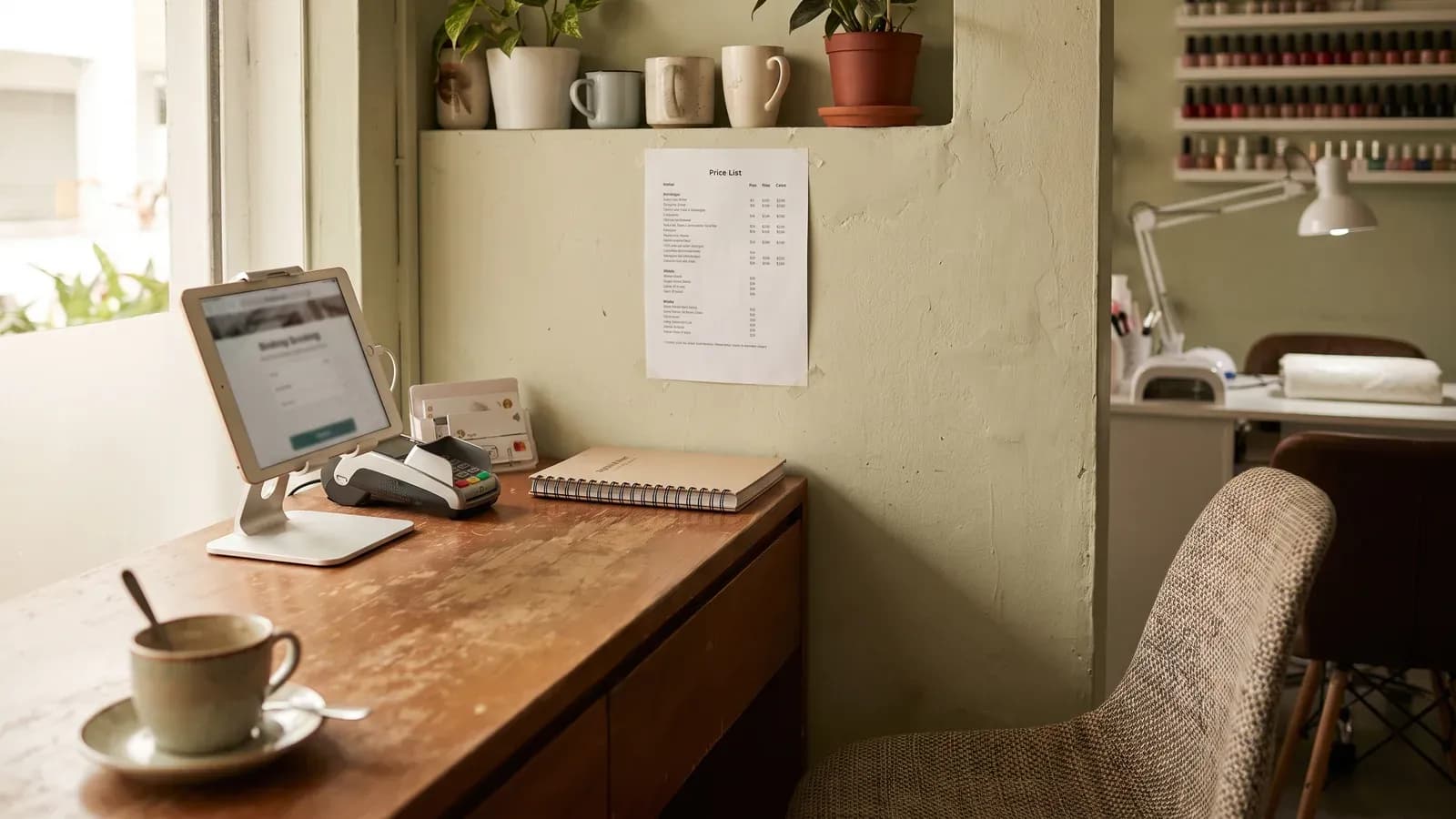
A policy the customer never saw is not one you can fairly enforce. Put it in two places, using the exact same wording in both:
- On your booking page, where the customer agrees to it as part of booking. This is the moment it carries the most weight — they are accepting the terms, not reading them after the fact.
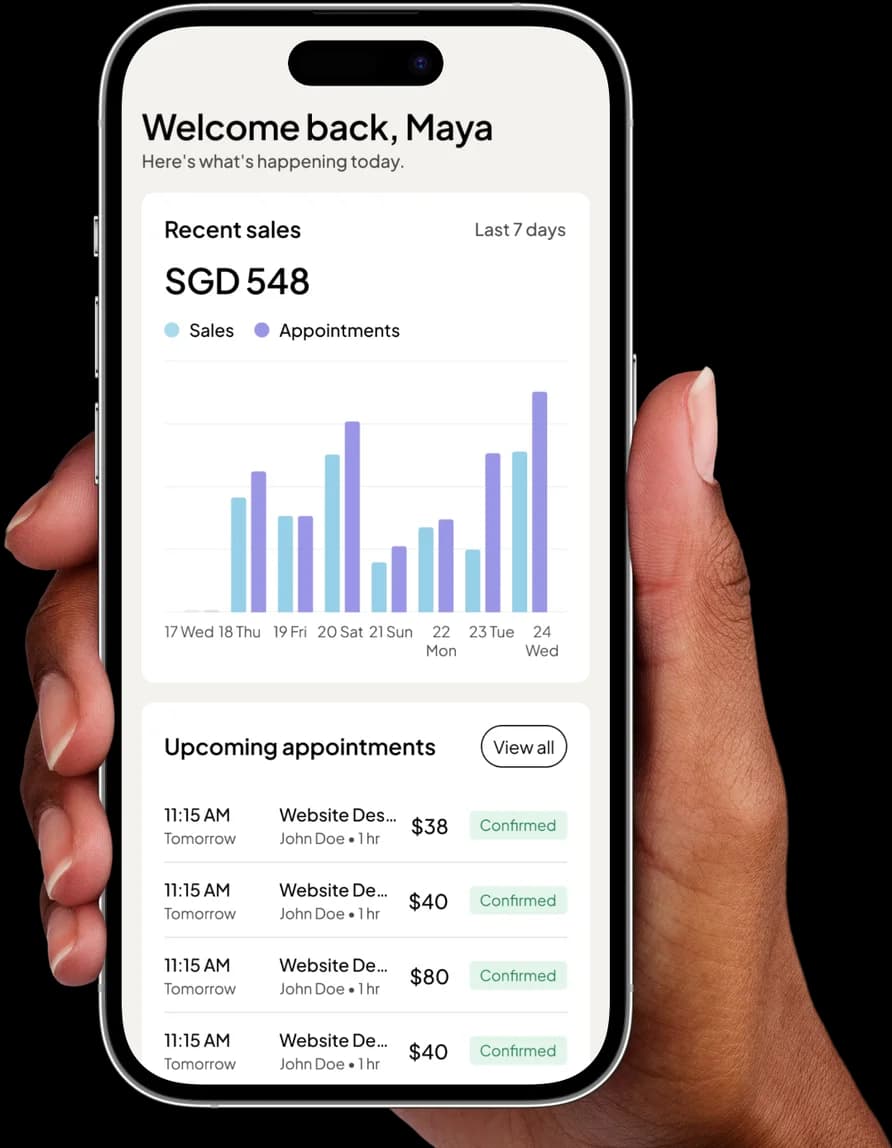
- In the booking confirmation they receive afterwards. With LovingBooking, every customer gets an automatic confirmation, so the notice period lands in their inbox right after they commit. Seeing it a second time is what makes it stick.
Keep it short in both. A policy buried in a paragraph of legal language gets skimmed past; three plain sentences get read.
How to Choose Your Notice Period
Match the notice to how fast you can refill the gap, not to how annoyed a no-show makes you feel:
| Service type | Suggested notice |
|---|---|
| Quick, popular, easy to refill (trims, quick treatments) | 24 hours |
| Longer or higher-value (colour, massage, facials) | 24–48 hours |
| Hard-to-refill or prepped in advance (bridal, aesthetics, consults) | 48 hours + deposit |
Pick one number per service type and apply it consistently. A policy you bend for everyone is one customers learn to ignore.
Let the System Do the Hard Part
Here is the part owners underrate: the strongest protection is not a stricter rule, it is fewer silent no-shows. A policy tells people what happens if they disappear; good tooling stops them disappearing in the first place.
Two things do most of the work. Automatic reminders before the appointment mean honest forgetfulness never turns into a missed slot. And letting customers reschedule themselves — moving their time in a tap rather than having to message you — turns "did not show" into "moved to Thursday". With LovingBooking, customers can change or cancel their own booking online right up to the appointment, and you are notified the moment they do, so you always have time to refill the space.
That is the quiet truth behind every cancellation policy: it works best when you rarely need it. We cover the full playbook in how to reduce no-shows without being annoying, and clinics apply exactly this pairing of clear terms plus automation in how clinics reduce no-shows.
Start With One Sentence
You do not need a perfect policy — you need one that exists, is visible, and is fair. Pick a notice period, copy the template that sounds like you, and put it on your booking page today. You can tighten it later once you see how your customers respond.
Ready to make the policy do its job? Create your free booking page, publish your terms where customers book, and let automatic reminders and easy rescheduling turn empty chairs back into notice you can act on.
Fewer no-shows, less chasing
LovingBooking reminds every customer before their appointment and lets them reschedule or cancel in one tap — so you get notice instead of an empty chair.
Start for freeFree to start · No credit card
Frequently asked questions
What should a cancellation policy include?
What should a cancellation policy include?
Four things: how much notice you need, what happens when a customer gives that notice, what happens when they cancel late, and how you treat a no-show. Keep it to a few plain sentences. A policy that runs to a page of legal language just makes customers skim past it.
How much notice should I require?
How much notice should I require?
Match it to how quickly you can refill the slot. For short, popular services that a walk-in would happily take, 24 hours is plenty. For longer or high-value appointments that are hard to rebook — aesthetic treatments, bridal makeup, a two-hour massage — 48 hours gives you a fair chance to fill the gap.
Can I charge a cancellation fee in Singapore?
Can I charge a cancellation fee in Singapore?
You can state one, and many businesses do. In practice a fee only bites if you can actually collect it. LovingBooking does not process booking payments or hold customers’ cards, so the common approach here is to back the policy with a PayNow deposit — transferred straight to your bank and tracked outside LovingBooking — that the customer forfeits on a late cancellation, rather than trying to charge a card after the fact. Mark the booking paid only after the full balance is settled. See our guide on whether to take a deposit for when that is worth it.
Should I enforce my policy strictly?
Should I enforce my policy strictly?
Have a firm written policy, but use judgement on genuine one-offs — a first-time customer with a real emergency is worth more goodwill than a forfeited deposit. Enforce it consistently for repeat late-cancellers. The written rule gives you something to point to; discretion keeps loyal customers loyal.
Where should I display my cancellation policy?
Where should I display my cancellation policy?
On your booking page first, so customers agree to it as they book, and again in the confirmation they receive afterwards. Use the exact same wording in both places. A policy the customer never saw is not one you can fairly hold them to.
Do cancellation policies actually reduce no-shows?
Do cancellation policies actually reduce no-shows?
A clear policy helps, but on its own it does less than people expect. What moves the numbers most is removing friction: reminders so honest forgetfulness never becomes a no-show, and easy self-service rescheduling so a change of plans becomes a moved appointment instead of an empty chair.